What is the starting point for choosing wire clips?
Choosing wire clips begins with the definition of the bag to be closed or the product to be tied. Two clips with the same appearance may behave differently in the same application due to different wire placement, coating or cut length. Determining the product family first and then clarifying the size and presentation format creates a healthier order.
The gathered spout on a bread bag, the fold line on a kraft coffee package, and the perimeter of the harness do not have the same connection geometry. Therefore, it is not enough to make a choice just by the product name or the color in the photo. Describe where the connection is established and how it can be opened by the user.
This guide; It is intended for purchasing, packaging development and production managers to make the first product selection. You don’t need to know all the measurements in the beginning. The current packaging, photo of the binding action, and method of use may be enough to determine the right questions.
1. Examine the closed packaging
The flat width of the bag and the circumference of the section that the clip will cover are different measurements. Bring the pouch to the fill level where it will be used; Gather or fold the brim as in production. Take the measurements from this actual closing point. Film plies, number of folds and rigidity of the packaging should be included in the evaluation.
In kraft or doypack packages, it is important how the clip joins with the folded upper part. In a thin plastic bag, the auger movement and twist allowance may be prominent. Also specify the packaging weight; but do not directly convert the 250 gram package description into a clip size. The same grammage can be offered in different bag sizes.
- Packaging material and layer structure, if any.
- Straight mouth width and shape when closing.
- Filling quantity, distribution of the product and load on the connection.
- Anticipation of opening and re-closing after initial closing.
2. Select the product family suitable for the closing action
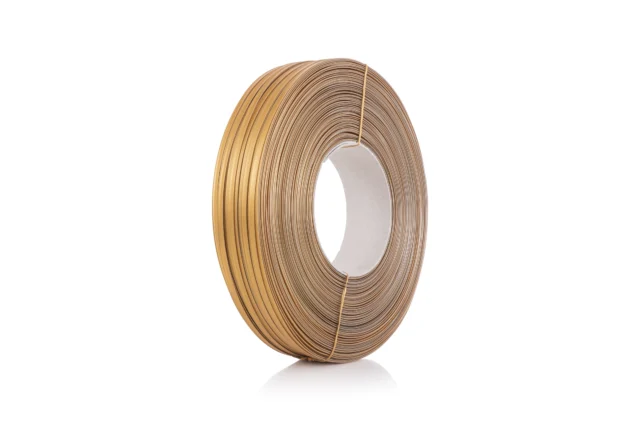
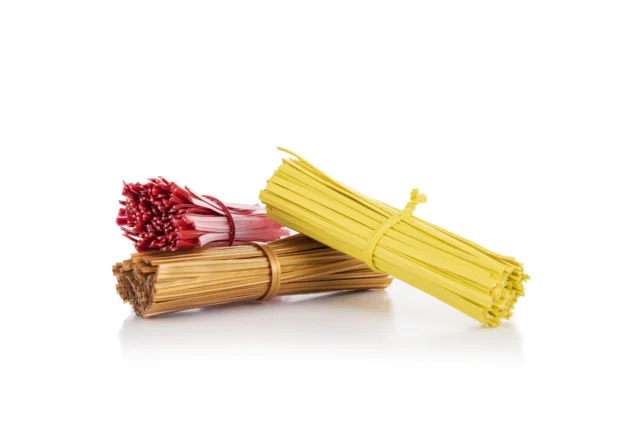
The structure of the product is single wire or double wire; It tells you how to feed the application if it is presented in roll, cut or U form. Separating these two decisions allows for accurate comparison of similarly named products.
| need | Family that can be evaluated | first check |
|---|---|---|
| Binding by twisting around the bag or bundle | single wire clip | Circumference and twist allowance |
| Packaging sealing in tape form | double wire clip | Band size and sealing method |
| Manual closing with preformed part | U clip | U opening and bag mouth |
| Plastic clip that can be opened and closed again | Tiesit | Clip opening and bag compatibility |
| Binding where the appearance of the coating is important | Paper or foil covered clip | Coating, printing and cutting length |
This table is a first elimination. For example single wire clip It does not mean that a tape clip will work on the same machine. For structural differences Comparison of single wire and double wire clips you can review.
3. Define dimensions individually
Cutting length, band width and wire diameter should be written in separate fields. Phrases such as “thin wire” or “medium size clip” are interpreted differently by different people. Explicitly use millimeter and meter units; Do not confuse the total thickness of the coated product with the diameter of the metal wire inside.
The published cutting range on single wire twist ties is 40–400 mm, on U clip it is 40–150 mm. These are options from respective product families; It does not mean that the appropriate size for your packaging is automatically determined. Measurement guideexplains how you can support the technical request with drawings and photographs.
4. Separate machine feed by manual application
Examine the movements of taking, placing and bending the part together in manual closing. When working with the machine, in addition to the cutting length, the consumable structure, roll arrangement and feeding conditions accepted by the model are required. Just because the roll length is sufficient does not mean that mechanical compliance is achieved.
If there is an existing machine, share the brand, model and photo of the consumables used. If a new machine is to be purchased, first determine the packaging and closing method. Thus, the machine and the clip are not considered as two independent purchasing items.
5. Complete the color and packaging according to the workflow
Color can help differentiate varieties in production as well as presentation on the shelf. If the same product will be purchased in different colors, write the total quantity and distribution per color separately. Use visual reference when requesting custom color or printing; Do not accept the screenshot as the same as the physical color confirmation.
The packaging of the cut piece and the box content of the roll are different. Specify the purchasing unit as pieces, meters or rolls. The fact that the number of boxes to be received in the warehouse and the amount to be consumed in production are based on the same definition makes repeat ordering easier.
6. Close the decision with the sample
In the initial evaluation, identify two or three candidates and compare them on the same packaging. Record separately observations such as loosening after closing, ease of opening, leaving marks on the surface and application time. A single successful seal does not demonstrate all the variables in mass production.
In an example evaluation, two different cutting sizes can be tried with the same bag, filling and closing method. First write down which difference is being looked for; then the results with sample checklist save it. Make the confirmed product code, size, color and packaging format a reference for the next order.