What should be the purpose of the sample trial?
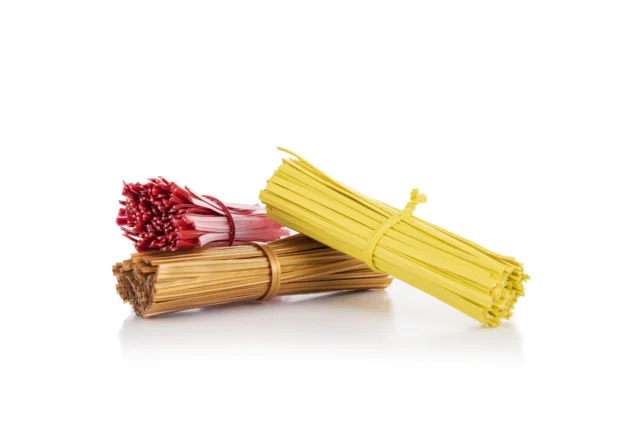
The wire clip sample is evaluated to see the behavior of a particular product in actual packaging or production conditions. The goal isn’t just to like the look of the piece. Records should be kept regarding appropriate size, closing action, ease of opening and machine feed, if any.
Write down the decision question before you begin the essay. Is there a choice between two sizes, an alternative to the current product, or a new packaging? A large number of observations can be collected when the target is not clear; However, it may not be clear which product was chosen and why.
1. Register the sample with a clear ID
For each candidate, write the product name, code, size, color and presentation format. The delivery date of the sample and batch information, if any, can also be added to the record. Labeling different measurements with the same appearance separately prevents mixing of trial results.
Also describe the packaging applied alongside the product. Bag size, material, filling amount and closing point must be clear. If a machine is used, the brand/model and trial scope should be recorded.
2. Keep comparison conditions constant
Changing more than one element in an experiment makes it difficult to explain the cause of the result. For example, when comparing clip size, keep the bag material and filling quantity as similar as possible. If packaging changes are required, record this as a separate assessment.
If there are different package sizes in actual use, open a separate line for each. A successful result in a single package should not be carried over to all variants. The number of trials and acceptance criteria should be determined in advance according to the conditions of use of the product; A common number cannot be recommended for all jobs.
3. Break the initial closing into steps
In manual application, observe the picking, placing and bending movements of the part separately. Photograph where the clip rests on the bag and how it is closed. Describe the challenges the operator is facing rather than making a general note like “not suitable.”
In machine evaluation, feeding, cutting and closing are separate control heads. Work with qualified personnel according to the model’s operating instructions. When a problem occurs, share the conditions and the result with the technical team instead of making vague interventions on the machine.
4. Examine post-use behavior
Once the closure is complete, note any observations such as the clip becoming loose, displaced, or leaving an undesirable mark on the packaging surface. If the package needs to be opened and reclosed, include these movements in the experiment.
Limit the evaluation to the actual intended use of the product. Observation on the packaging clip does not constitute automatic confirmation of medical component suitability or performance of the entire packaging system. If there are special requirements, the relevant specification and evaluation method should be determined separately.
Sample registration table you can use
| registration area | Information to be written |
|---|---|
| Candidate product | Code, length, wire structure, coating and color |
| packaging | Material, size, filling and closing point |
| Application | Manual operation or machine model |
| first shutdown | Nesting, bending, feeding and appearance |
| Next use | Opening, re-closing, loosening or scarring |
| losses | Unusable parts and rework |
| decision | Acceptance, change request or additional attempt |
| Reference | Photograph, date, drawing and revision, if any |
Example: Comparing two different cutting lengths
Consider that two cutting sizes are evaluated for the same kraft bag. The same filling and folding motion is applied to each candidate. It is recorded separately which part fits more easily, how it looks after closing, and how it behaves when reopening. This is an example evaluation flow; Any neck results are not considered better beforehand.
The first candidate is apparently suitable, the second candidate may be easier in practice. Clarify with the team which criteria take priority when making decisions. Consider admission requirements together rather than choosing just on duration or appearance alone.
How to move the approved sample to a repeat order?
Keep the approved product code, size, color, packaging format and evaluation conditions together. If there is a technical drawing, attribute the correct revision. In the next order, support the statement “same as the previous product” with this clear record.
Reconsider the sample decision whenever packaging or machinery changes. Measurement guide, machine-consumable compatibility and offer preparation listconverts the trial result into an actionable order definition.