Divide the special production request into three separate decisions
When ordering special clips, color, printing and cutting length must be defined separately. Color rendering, print design and measurement working on the packaging are all different parts of the same approval process. Acceptance of one does not mean that the others are also suitable.
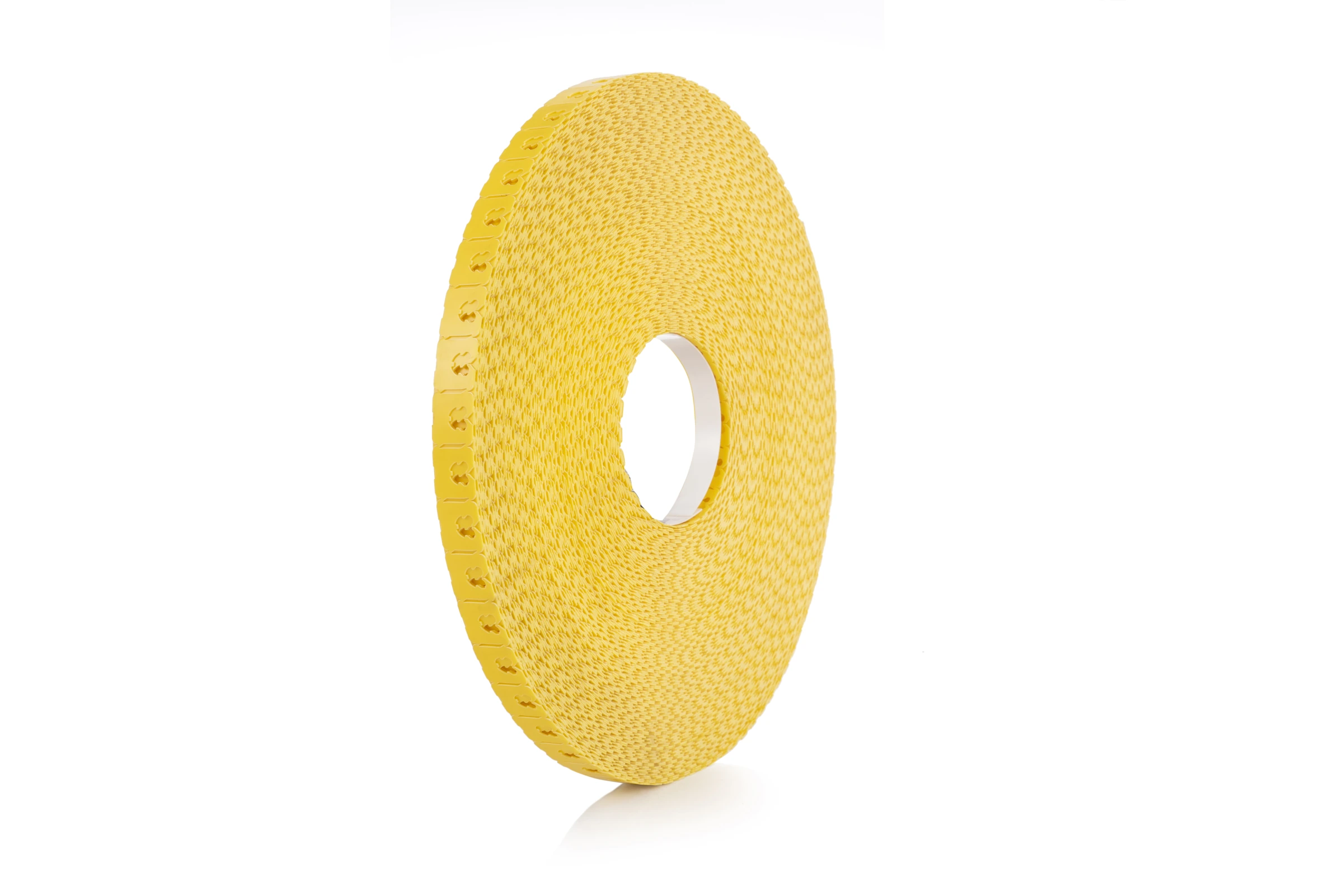
First, determine the product family to be used. Single wire tie, paper or foil covered product, Tiesit and double wire tape are different structures. It is not assumed that all print, coating or form options can be applied equally in every family. Prepare the request based on the selected product.
How should you describe color expectations?
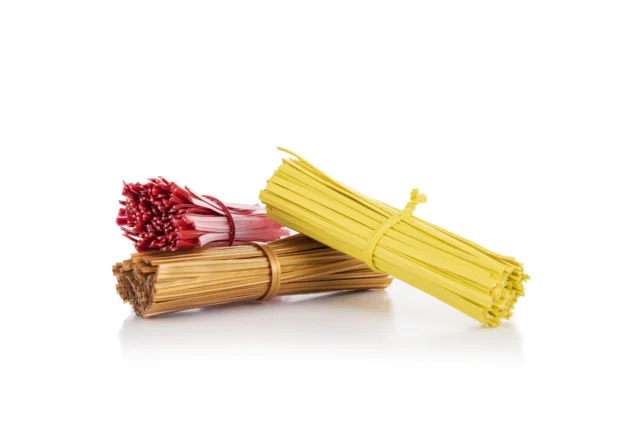
If you prefer a standard color, write the color name along with the product name. If custom color is expected, current packaging, physical color sample or color reference used can be shared. The on-screen photo alone is not an accurate color confirmation of the actual surface.
It is also important on which surface the color will be seen. The same visual expectation may be perceived differently on paper, foil and plastic surfaces. Consider the reference not only as a code, but also with the material and packaging to which it will be applied. If there is more than one color, specify the quantity per color separately.
What information should be in the print file?
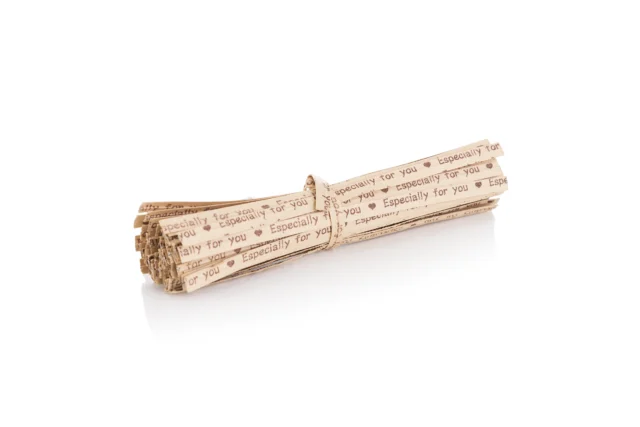
Paper and foil covered clip If a printed option is being considered for text, pattern, color and orientation should be clear. Share the current version of the logo file and design used. The scale and the area desired to remain visible should also be described.
Some parts of the flat design may not be visible when the clip is bent or folded. Where the print will appear on the product should be checked with an applied sample. If there is a repeating pattern, also clarify the relationship of the cutting point to the design.
| Design information | Why should? |
|---|---|
| Current logo / pattern file | Prevents working with the wrong version |
| Color reference | Concretizes visual expectation |
| Print direction | Explains post-binding readability |
| Product and cutting length | Determines the usable area of the design |
| Applied example | Compares flat design with actual appearance |
Confirm the cutting length with the packaging
The cut length must meet the attachment point of the clip and provide the necessary application allowance. The length determined solely for aesthetic appearance may not be sufficient for the closing movement. Likewise, the length that meets the function may leave more visible space in the packaging than necessary.
The published range 40–400 mm for solid and paper/foil-covered products is not an automatic recommendation for a particular packaging. Measurement guide Separate the cutting length, band width and wire size from it. If there are critical tolerances, specify them in the technical description separate from the design file.
Quantity and packing plan
Write the total demand divided by product, color and size. For example, if two colors and three sizes are desired, not only the total quantity but also the quantity of each combination must be clear. If the first order and subsequent period consumption are different, explain this separately.
Packaging should relate to how the product will be used in production. Counting and distribution of cut piece and roll product are different. Get quotes based on scope rather than assuming a single minimum quantity or lead time for custom production.
How should you record sample approval?
Evaluate the color, printing, size and application result of the sample under separate headings. It should be understood for which variant you gave the “Sample suitable” note. Link the version of the approved design to the sample label.
When a change is requested, write down which field has changed. For example, if only the color is updated, it should be clear whether the measurement confirmation has changed. Sample evaluation guideprovides a recording template for you to make the comparison under the same conditions.
Before submitting the request
- Are the product family and form clear?
- Have quantities been written for each color and size?
- Has the correct version of the design file been added?
- Are the cutting dimensions and units specified?
- Do you have an application photo or packaging sample?
- Are the colours, prints and technical dimensions to be approved reserved?
Your information on the special production page You can share it via stream. When making commercial comparisons offer preparation guide Combine technical and design scope in the same request using