How to find theoretical quantity?
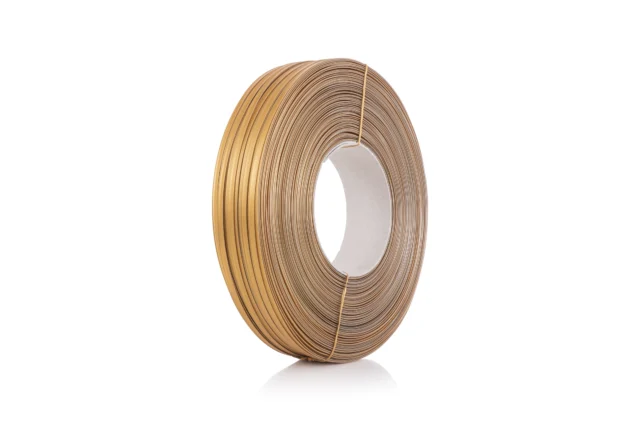
The theoretical number of pieces that can come out of a roll clip is calculated by dividing the roll length by the cutting length used per package. Units must be the same. If the roll is known in meters and the cutting length is in millimeters, first convert the meter into millimeters by multiplying it by 1,000.
Theoretical number of pieces = roll length × 1,000 ÷ cutting length. If fractional pieces remain as a result, only completed pieces are counted. This calculation is based on the assumption that one clip is used per package. If more than one piece is used per package, the total cut consumption should be taken as basis.
Sample calculation for 500 meter roll
In an example where the cutting length is 40 mm, the 500 meter roll contains consumable 500.000 mm. The process 500,000 ÷ 40 yields 12,500 theoretical parts. This value does not include losses from trials, adjustments or unused consumables.
In the example, if it is assumed that 2 percent of the roll cannot be used, the usable length decreases to 490 meters. 490,000 ÷ 40 = 12,250 pieces remaining. 2 percent is just an example of calculation here; It is not a measured waste rate for Bayplas products or any machine.
| roll | Cutting length | Fire assumption | Approximate available quantity |
|---|---|---|---|
| 500 m | 40 mm | %0 | 12.500 |
| 500 m | 40 mm | %2 | 12.250 |
| 600 m | 40 mm | %2 | 14.700 |
| 500 m | 50 mm | %2 | 9.800 |
The heights in the table are calculation examples. It is not a recommendation to change the cutting length of your machine. The cutting size should be determined by the packaging and the technical conditions of the model.
Calculate your own consumable needs
In the tool below, enter the footage, cutting length, waste assumption and target number of packages. The tool down the number of pieces that can be completed per roll; rounds up the number of rolls required. The result is the planning calculation based solely on the entered values.
[byplas_consumable_calculator]
What should the assumption of waste include?
Adjustments made at the beginning of production, trial closures, unusable parts at the end of the roll, or reprocessed parts may cause consumable losses. Their quantity depends on the workflow. Although assumption is used in initial planning, it should be updated with actual study records whenever possible.
Don’t add the same loss twice. If you used percentage loss in the account, deducting additional parts for the same loss may distort the result. If you want to track fixed initial losses and losses depending on production quantity separately, set up the recording order accordingly.
Using a single common ratio for different products and machines is not always self-explanatory. Leverage your own historical data by recording conditions such as packaging changes, short runs and frequent roll changes.
How to convert target number of packages to roll requirement?
In the example, if 12,250 usable parts are expected from a roll, 20,000 ÷ 12,250 is done for 20,000 packages. The result is rounded to two full rolls. This does not mean that the entire two rolls will be consumed; The remaining consumables on the second roll can be saved separately for the next plan.
If the order unit is a box, also match the number of rolls to the box contents. double wire clip with medical cover clip The contents of the box are not the same. Complete the purchase quantity according to the packaging information of the relevant product.
In which products can this account not be used directly?
Tiesit For products whose roll content is defined by quantity, such as, the initial information is not the quantity. In this case, the calculation is made based on the number of pieces per roll and losses in application. Do not apply the meter-based formula to all roll products.
Additionally, it should not be assumed that different wire diameters have the same roll length. Check the wire diameter and metering table in the product family. For technical suitability machine-consumable compatibility guide, for commercial comparison Factors affecting price use it.
Compare account with production record
Record the roll code used, the quantity allocated for production, the completed package and the reasons for the loss. If there is a difference between the expected quantity and the actual quantity, first check the input values and counting unit. The calculation tool does not guarantee physical fit, production capacity or ordering; These should be evaluated separately.