Three measurements, three different information
When it comes to clip size, cutting length, band width and wire diameter should be defined separately. Cutting length refers to the length of the piece used, bandwidth refers to the width of the coated strip, and wire diameter refers to the size of the metal wire. Total thickness including coating is not the same as wire diameter.
Simply stating “8 mm clip” in a purchase requisition does not disclose what size is being referred to. The name and unit of the measurement should be given together. A drawing or measured photograph of the product prevents different interpretations of the same part.
Determine the cutting length according to the closing movement
The cut length is the length measured from end to end when the part is flat. Do not confuse the externally visible width of a bent clip with this value. If the existing part is shaped, use its technical description or unused sample as the basis.
Size to be chosen; The gathered mouth of the bag is related to the folded section and the required binding allowance. A reliable cutting length cannot be obtained from the flat bag width alone. The material or folding style of two packages of the same width may be different.
Single wire clip 40–400 mm, in U clip 40–150 mm cut options are available. These ranges indicate product option; There is no single recommended size for a particular package. The final length is evaluated on the sample.
How to separate bandwidth and wire diameter?
In a double-wire clip, bandwidth is the total width from one side of the product to the other. The wires are located at the edges of this band. The wire diameter belongs to the inner metal component. Measuring the outer dimension of the coated product and reporting it as the metal wire diameter may result in an incorrect matching.
If the diameter of the wire within the coating cannot be directly seen, it must be verified from the product documentation or supplier description. Opening or deforming the product with uncertain methods just to take measurements does not provide an accurate reference. Clarify the required component size with the technical team.
| Size | Description | How to write a request? |
|---|---|---|
| Cutting length | End-to-end length of straight part | Cutting length: … mm |
| bandwidth | Total width of coated strip | Bandwidth: …mm |
| wire diameter | Diameter of metal wire | Wire diameter: …mm |
| Total thickness | Outer thickness including coating | Total thickness: … mm |
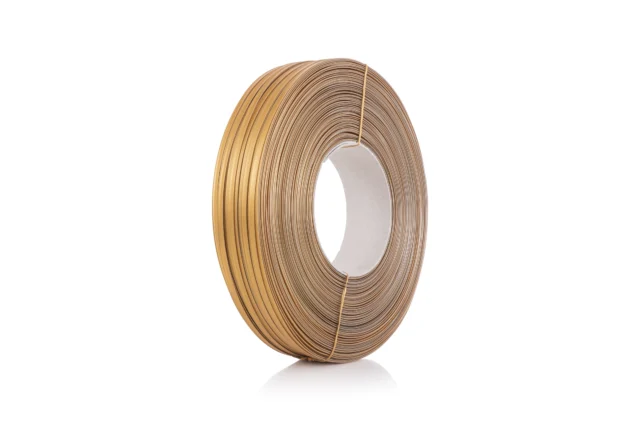
| Roll length | Consumption quantity on roll | Roll length: … m |
Why is tolerance separate from nominal size?
Nominal measurement defines the target value, and tolerance defines the range of variation that will be accepted. “About this much” may not be enough for the production line. If there is a critical feed or placement dimension, specify the tolerance based on your own design and machine requirement.
Having a sample piece on hand does not mean that production will yield exactly the same value in each piece. Sample dimensions should be evaluated together with the target and acceptance range in the drawing. This guide does not recommend a common tolerance value for all clips; Each application’s limits may be different.
Make the measurement clear with photos and drawings
The entire product and the closing point should be visible separately in the photo. Use arrows or a drawing to explain the dimensions. Note that a perspective photo is not a substitute for a measurement document; The task of the photo is to show which region is being talked about.
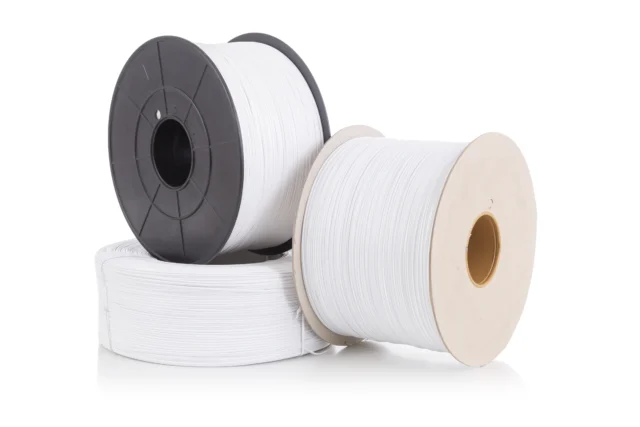
For roll products, in addition to the length, core, outer dimensions and winding direction may be required during the machine discussion. Machine-consumable compatibility guide collects this information in a separate list. For parts to be used in medical production mask wire specification guide You can define the measurement and feeding form together via .
Final check before order
- Is there a measurement name and unit next to each numerical value?
- Is the diameter of the inner wire separated from the size of the coated product?
- Is the revision to the drawing the same as the sample being evaluated?
- Are the roll length and cut piece length in different areas?
- Has the specified size been tested on the actual packaging?
This information request for proposal Adding it reduces reviews based on the product’s appearance. If the size changes later, update the old drawing and sample code without confusing it with the new request.