The specification relates the part to the production line
Mask wire technical specification; It clearly defines the product’s material, structure, external dimensions, cut length or roll form and its use on the production line. The name “mask wire” alone may not be sufficient for the order. There are single-wire, double-wire and different material options under the same general name.
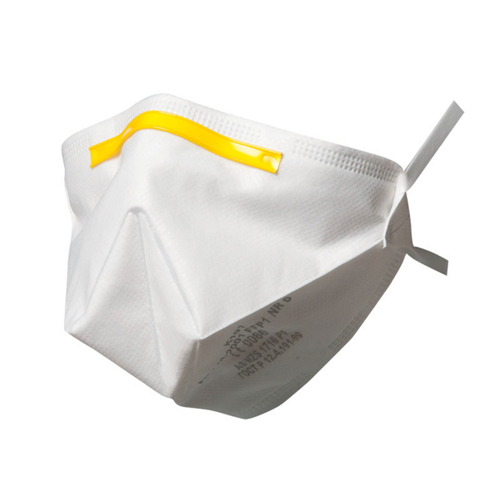
This guide is for the purchase and technical description of the component used in the production of masks. The selection of a component does not alone determine the protection class or the overall performance of the finished mask. The final product evaluation should be taken into account by the entire design of the mask and the relevant tests of the manufacturer.
Write the material and wire structure in separate fields
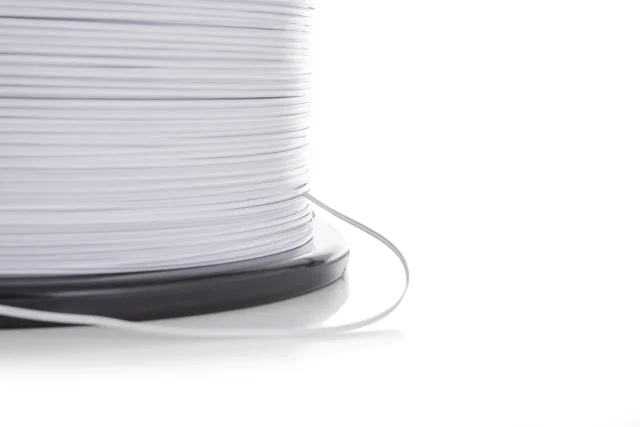
The expression single-wire or double-wire describes the wire layout. The definition of a material such as aluminum is a separate feature. Coating and total external dimensions do not replace these two pieces of information. Specify each on a separate line in the request for quotation.
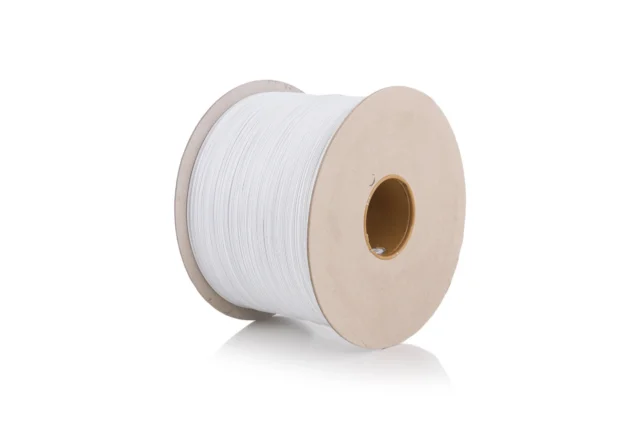
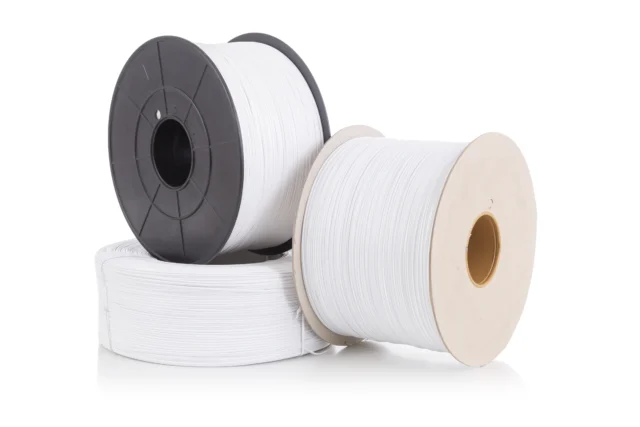
In the Bayplas portfolio single strand mask wire, aluminum single wire, aluminum double wire and dust mask wire is available. It should not be assumed that these families have the same size or the same feeding conditions.
What distinctions in measurements are critical?
Width, total thickness, cutting length and inner wire measurement, if any, should be defined in different areas. The channel in which the wire is placed or the surface where it meets may affect the accepted measurements. For critical dimensions, write the nominal value and tolerance separately.
For the aluminum single strand product, there is 2.60–3,00 mm width, 50–750 mm cut and 2.500 m roll information. On dust mask wire, the roll length is specified as 500 m. These are different product definitions; The measurements of one should not be carried over to the other.
Fields that can be used in the specification
| area | Information to be identified |
|---|---|
| Product family | Single wire, double wire or corresponding nose clip |
| Material/finish | Metal structure and exterior surface expectation |
| External dimensions | Width, total thickness and acceptance ranges |
| cut or roll | Piece length or metering and winding information |
| placement | Line pattern, wire duct or junction |
| Appearance | Color and surface requirement |
| traceability | Product code, batch description and registration expectation |
| Documents | Name of the requested document and the product it covers |
Write only known values into the specification. Instead of guessing an unclear tolerance or material quality, clarify it in the technical interview. If using an existing drawing, link the revision and the approved sample to the same record.
The part cut by roll feeding has different requirements
If rolls are to be used, the winding and reel properties required for line feeding must be specified. In the cut piece, the behavior of the neck and ends during the production step is evaluated. Similarity in color or appearance does not indicate that two presentations can be used directly on the same line.
In the trial, feeding, cutting, placement and the position of the part in the final product should be examined separately. Operations on the machine must be carried out by authorized personnel according to the model’s instructions. Change in component may require re-evaluation of existing production approvals.
How to describe shaping behavior?
It is important for the mask wire to take shape and maintain its shape for its intended use. Explain what is expected in which action, rather than using one-word phrases like “soft” or “hard.” For example, placing in-line or shaping to the final design are separate evaluation steps.
Adaptation to the nose area is a matter of the entire finished mask. Flexibility of the wire alone is not evidence of sealing, filtering or shielding performance. Therefore, do not replace component observation with final product testing.
Sample and document evaluation
Separate samples by code, size and batch information if available. In addition to visual control, record the measurements specified in the specification and the behavior in production. Acceptance criteria should not be changed based on the outcome after the trial is completed.
Instead of just writing “certificate” in the document request, specify the name and scope of the required document. A technical information brief is not the same document as a conformity assessment of the finished mask. Offer preparation guide and measurement instructions You can complete the request using .